Dryer vent fire risk in multifamily buildings
Lint is fuel, and a blocked vent puts it next to a heating element. In a multifamily building one unit's fire is everybody's problem.
Calls answered 7am to 8pm · same-day service usually available
Unit-by-unit record with every job.
Why a property manager schedules this
No Arizona law requires it. The reasons are practical, and only one of them is about the laundry.
Fire
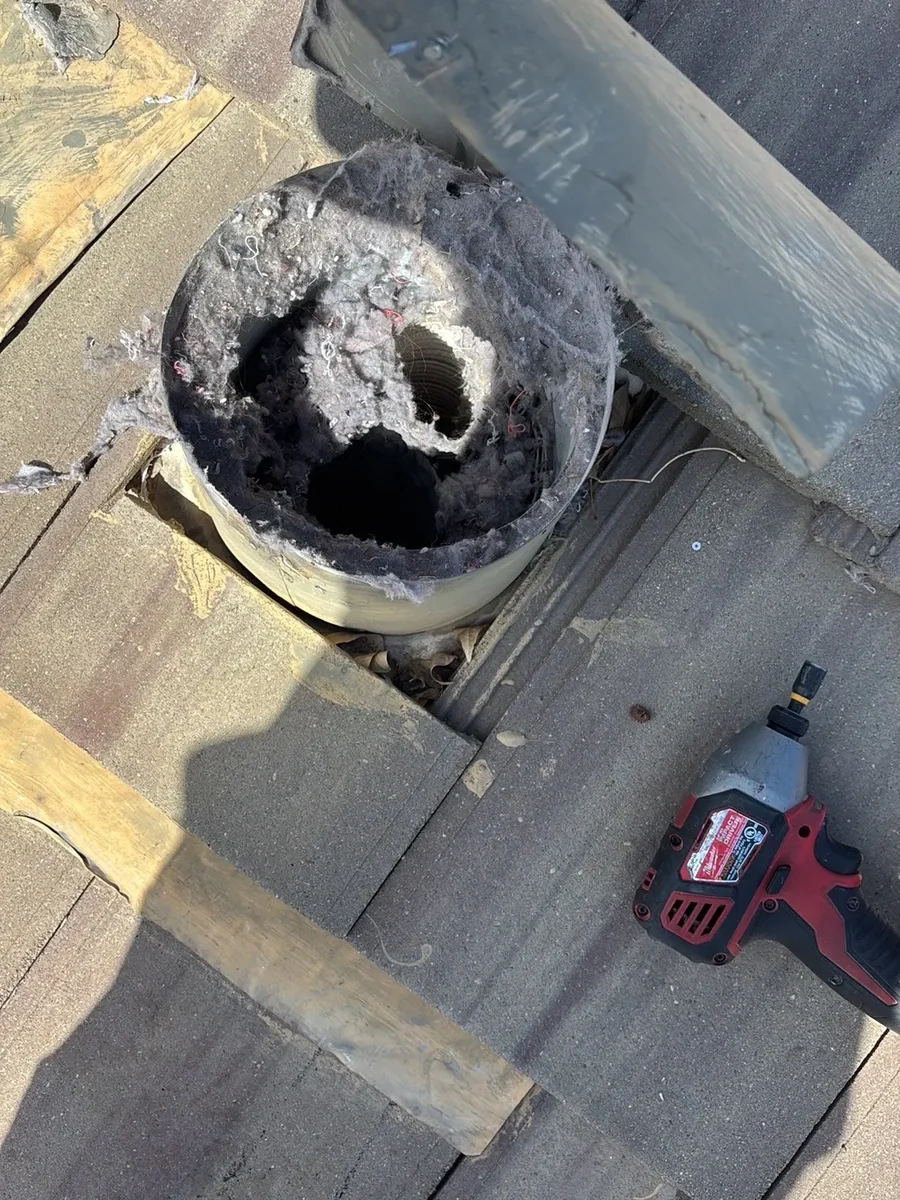
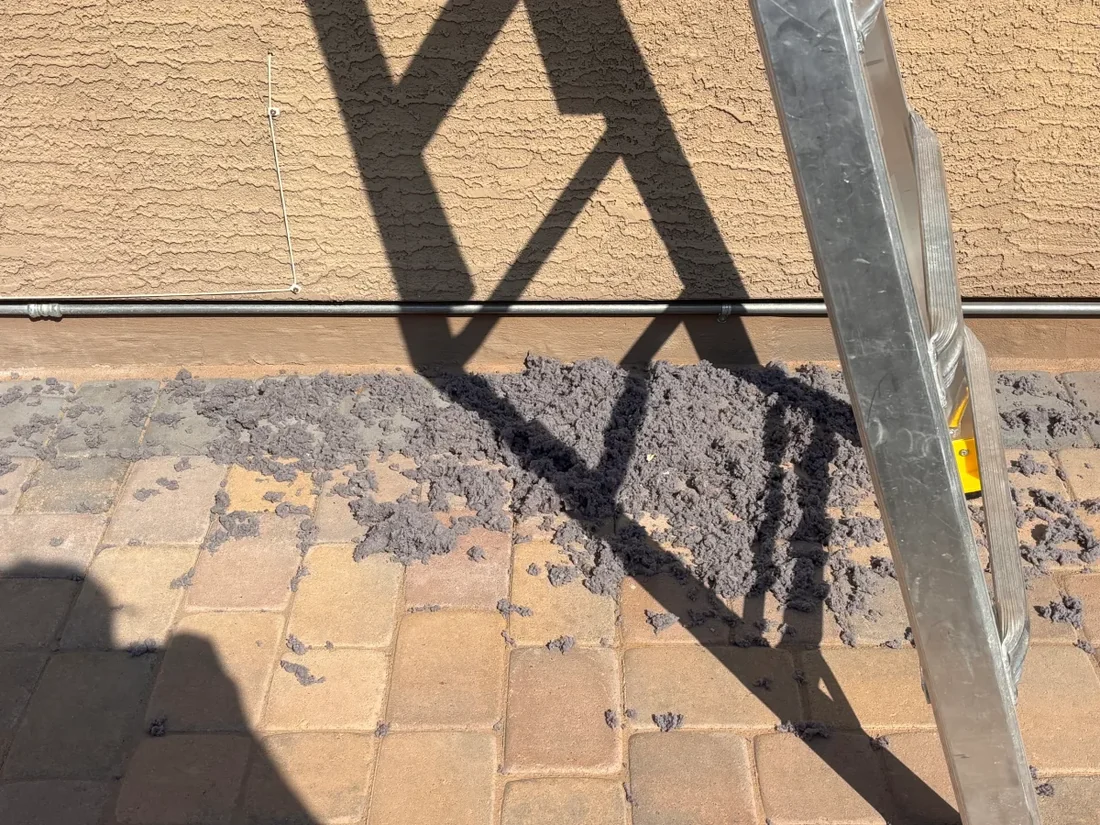
Lint is fuel, and a blocked dryer vent puts it next to a heating element. The US Fire Administration counts thousands of home dryer fires a year and names failure to clean as the leading cause. In a multifamily building one unit's fire is everybody's problem.
Documentation
After a fire, the question is what maintenance was done. A dated record showing every unit was serviced on a schedule is a different conversation from having nothing. That record is worth more than the cleaning on the day it is needed.
Equipment and complaints
A restricted vent means longer cycles, hotter machines and shorter dryer life. On a property where you own the machines that is a direct cost. On one where you do not, it is a stream of maintenance tickets about dryers that take three cycles.
You get a record, not just an invoice
The part that matters six months later.
At the end of a property we hand over a list by unit number: serviced, not accessed, or flagged. Flagged means we found something worth a maintenance ticket, a crushed duct, a disconnected run venting into a wall cavity, a missing hood, a bird nest.
Those findings are free and they are frequently the most valuable thing in the job. A duct venting into a wall cavity is a problem you want on paper, dated, before it becomes an insurance question.
What we flag beyond lint
On most properties the lint is the easy part. What turns up alongside it is frequently worth more to you.
Crushed ducts behind a dryer that was pushed back too hard. Runs that have come apart inside a wall cavity and are venting hot moist air into the structure. Missing or broken hoods letting birds in. Nests, which are both a blockage and a fire load.
All of it gets flagged by unit number at no extra charge. You decide what to do about it.
Questions
How often should apartment dryer vents be cleaned?
Once a year is the honest baseline for a normal household. Twice a year where the machines run hard, which covers student housing, family-heavy properties and anywhere with high turnover. We will not push quarterly on apartments because it is not defensible and a sharp owner will catch it.
Is it legally required?
No Arizona law requires dryer vent cleaning. The building code covers how vents are installed, and landlord law covers keeping supplied appliances in good and safe working order. Neither sets a cleaning schedule.
What does the record actually prove?
That every unit was serviced on a dated schedule. After a fire the question is what maintenance was documented, and a unit-by-unit record is a different conversation from having nothing.
Does this affect insurance?
We are not going to make claims about your policy. What we can say is that documented preventive maintenance is generally easier to point at than an absence of records. Ask your carrier what they want to see and we will build the record to match.
Calls answered 7am to 8pm · same-day service usually available
Call or text your unit count, 7am to 8pm.