Is dryer vent cleaning required by law in Arizona?
No. No Arizona law requires dryer vent cleaning on apartments, laundromats, senior living or any other property, and no state statute sets how often it has to happen.
That is worth saying plainly because some companies imply otherwise. If somebody tells you it is legally required, ask which section. You should know that before you sign anything.
What does exist is a building code about how vents are installed, a landlord duty about keeping supplied appliances safe, and insurance carriers who each want different things documented. None of those is a cleaning mandate. Together they are still a good reason to do it.
We are not lawyers, and this page is not legal advice. It is what the code and the statute say, in plain terms.
The building code covers installation, not cleaning
Most Arizona cities adopt the International Mechanical Code, usually with local amendments, so which edition applies depends on where the building is. Section 504 covers clothes dryer exhaust: that it discharges outdoors, what the duct is made of, how long the run can be, what the termination looks like, and how exhaust from multiple floors is built.
It is an installation standard. It tells you how the vent has to be built, not how often anybody has to clean it.
One detail is worth noticing. Where dryers in a multistory building share an exhaust shaft, the code calls for a cleanout at the base of that shaft. A code that requires a way in for cleaning is assuming somebody will clean it.
Arizona landlord law: maintain what you provide
ARS 33-1324 is part of the Arizona Residential Landlord and Tenant Act. Among other things, it requires a landlord to keep the premises fit and habitable, and to keep the electrical, plumbing, heating, ventilating, air-conditioning and other facilities and appliances they supply in good and safe working order.
It does not mention dryer vents and it does not set a schedule. But if you supply the dryer, keeping it in good and safe working order is your duty, and a vent packed with lint is hard to describe that way. Where the resident owns the dryer, the duct in the wall still belongs to the building.
The statute covers residential rentals. Laundromats, gyms and other commercial tenants sit under their leases instead. What any of this requires on your specific property is a question for your attorney.
Insurance: it depends on your carrier
Some carriers look at laundry and dryer vent maintenance on multifamily, senior living and laundromat risks. Some do not ask at all. After a loss, adjusters generally want to know what maintenance was done.
What we will not tell you is that skipping a cleaning voids your coverage. We do not know your policy, and neither does anybody who has not read it. The useful move is to ask your broker what documentation your carrier wants to see, then build the record to match. We will format ours however they ask.
So why do it
Because the absence of a law does not change what lint does.
It is the leading cause of dryer fires
The US Fire Administration counts thousands of home dryer fires a year and names failure to clean as the leading cause. In a single-family house that is one family's problem. In a multifamily building it is a shared attic, shared walls and a shared roof.
Phoenix Metro vents build up where nobody looks
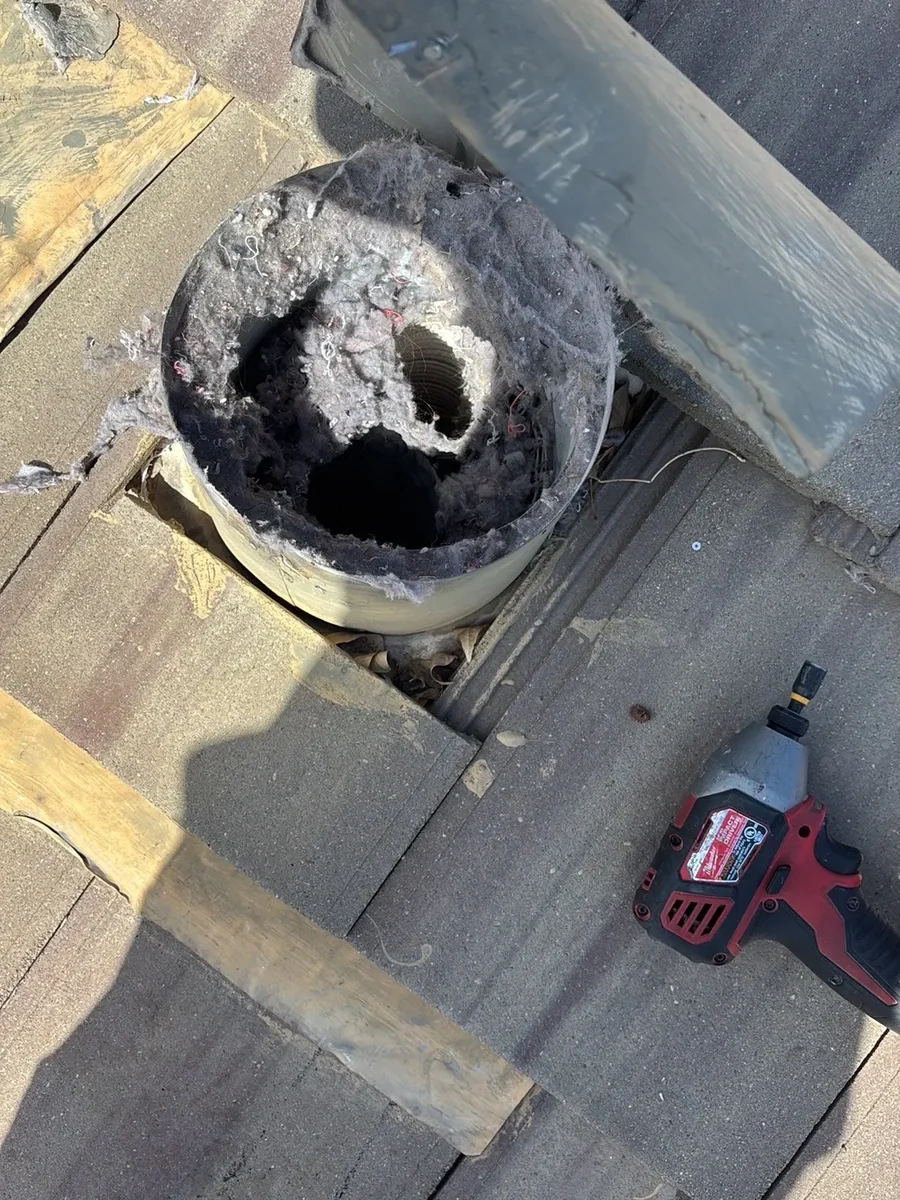
Plenty of valley properties vent dryers through the roof or under the eaves on the second floor. Long runs, summer heat, and birds that treat a warm vent hood as a nesting site mean the worst buildup is usually the part nobody sees from the ground.
The problems are usually hidden
Crushed ducts behind the machine. Runs that have separated inside a wall and are venting hot, damp air into the structure. Missing hoods. None of that shows up until somebody opens it, and all of it is cheaper found on a schedule than after a fire or a mold complaint.
The record is what you will be asked for
If there is ever a fire, the questions are what maintenance was done and when. A dated, unit-by-unit record is a different conversation from having nothing. That is true whatever your carrier, your city or your lease says.
Every job ends with a dated record by unit number: serviced, not accessed, or flagged. What goes in the record.
How often, honestly
Once a year for a typical apartment. Twice a year for student housing, family-heavy properties and high turnover. Quarterly or monthly for laundromats, gyms and busy shared laundry rooms, where the machines run most of the day. Published pricing for every schedule.
Questions
Is dryer vent cleaning required by law in Arizona?
No. No Arizona statute requires dryer vent cleaning or sets how often it has to happen, on apartments, laundromats, senior living or any other property.
Does the building code require cleaning?
No. International Mechanical Code Section 504, which Arizona cities adopt with local amendments, covers how dryer exhaust is installed: material, length, termination, and a cleanout at the base of shared exhaust shafts in multistory buildings. It does not set a cleaning schedule.
What does ARS 33-1324 require of landlords?
It requires residential landlords to keep the premises fit and habitable and to keep supplied appliances and ventilating facilities in good and safe working order. It does not mention dryer vents or set a schedule. For what it means on your property, ask your attorney.
Will skipping it void our insurance?
We are not going to tell you that, because we do not know your policy and neither does anyone who has not read it. What carriers want documented varies. Ask your broker.
Can a fire inspector write it up?
Cities adopt fire codes, and inspectors can flag hazards they see during an inspection. That is different from a rule setting how often vents must be cleaned.
So how often should we do it?
Once a year for a typical apartment. Twice a year for student housing and heavy-use properties. Quarterly or monthly for laundromats, gyms and busy shared laundry rooms.
Calls answered 7am to 8pm · same-day service usually available
Call or text your unit count, 7am to 8pm.