Dryer vent cleaning for senior living
Shared laundry that runs close to continuously, and residents who are the least able to react if something goes wrong. If there is one property type where this should never slip, it is this one.
Calls answered 7am to 8pm · same-day service usually available
Machine count and in-unit dryer count is all it takes.
The machines never really stop
In independent and assisted living, shared laundry rooms run from breakfast until the evening. Where the community also does residents' linens and towels, the duty cycle looks more like a laundromat than an apartment.
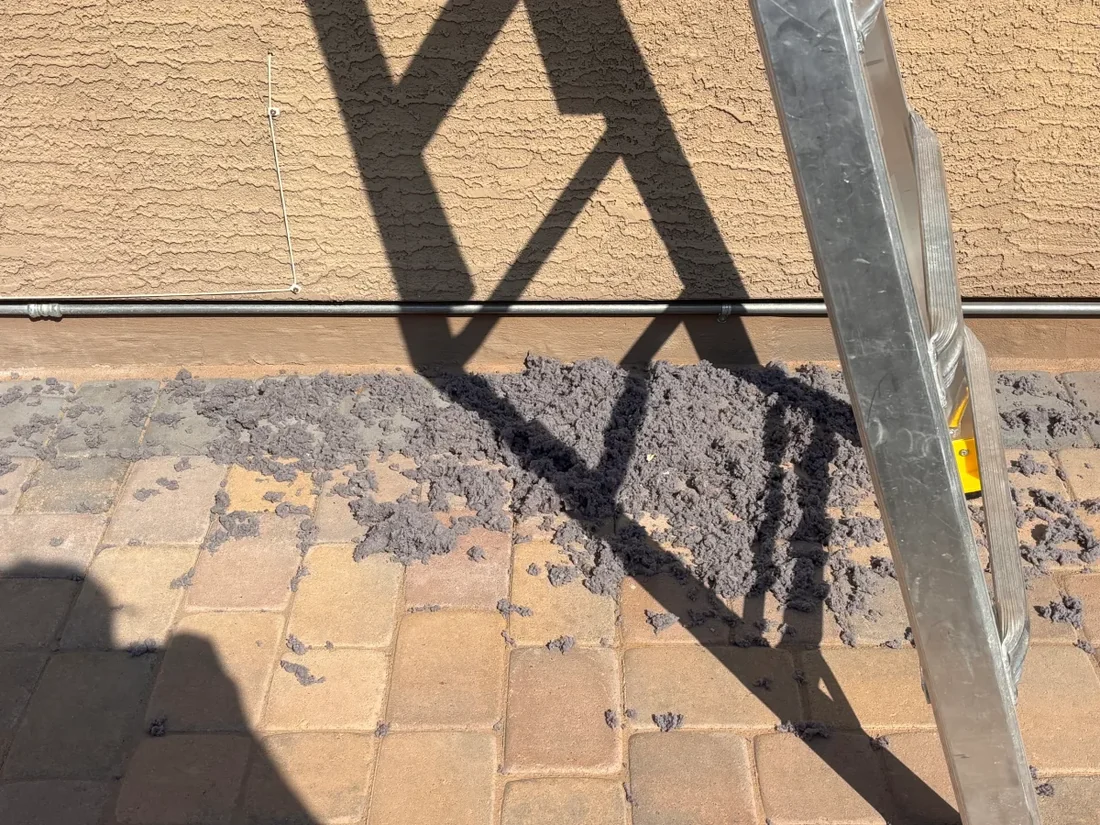
Lint builds at that rate whether anybody is watching or not. The vent does not know it is in a quiet community.
The residents are the least able to react
This is the whole argument, and it has nothing to do with the machines.
Fire data consistently puts older adults at higher risk of dying in a fire than the population as a whole. Residents may move slowly, may not hear an alarm well, and may depend on staff to get out. They are also the least likely to notice a dryer taking three cycles, and the least likely to report it if they do.
That is not a reason to be alarmed. It is the reason this is the one place the schedule should not depend on somebody remembering.
What staff turnover does to a schedule
On plenty of properties the vent schedule lives in the maintenance director's head. When that person moves on, the schedule goes with them, and nobody notices until something is overdue by two years.
A written schedule and a dated record fix that. The next director inherits a dated list by unit and machine instead of a question mark.
Working in an occupied community
Tell us your quiet hours, which wings or units need staff present, and anywhere we should not enter unescorted. The schedule is built around your community, not the other way around.
First and second floor vents we reach from the exterior. Third floor and up we work from inside, which in senior living usually means coordinating with staff rather than residents.
What it costs
Shared laundry is $65 a machine, the same as a laundromat, one price every visit.
In-unit dryers are priced per unit on the same volume scale as apartments, $79 down to $59. Stacked units on the third floor and up are $99 each. $500 minimum per visit. Air ducts, exhaust fans and HVAC equipment are optional add-ons on the same visit. Add-on rates.
The record
Every job ends with a dated record by unit number: serviced, not accessed, or flagged. What goes in the record.
Questions
How often should senior living dryer vents be cleaned?
Shared laundry rooms quarterly, or monthly where they run from morning to night. In-unit dryers once or twice a year depending on use. The schedule should come from how hard the machines run, not from a sales pitch.
Is it required by law?
No Arizona law requires dryer vent cleaning, including in senior living. Your inspector, your licensing surveys and your insurance carrier may all ask what maintenance you do, and a dated record answers all three.
Does staff need to be with you?
Wherever you want them to be. Tell us which units or wings need staff present, your quiet hours, and anywhere we should not enter unescorted, and the schedule is built around it.
How is it priced?
Shared laundry $65 a machine. In-unit dryers per unit on the same volume scale as apartments, $79 down to $59. Common area ducts $65 an opening. One price every time, no contracts. $500 minimum per visit.
What do we get at the end?
A record by unit and by machine: serviced, not accessed, or flagged. Dated, and in whatever format your maintenance director or corporate risk team wants to file.
Calls answered 7am to 8pm · same-day service usually available
Call or text your counts, 7am to 8pm.