How a multi-unit job actually runs
From your count to the record at the end. No change orders, because the rates are published and the counting comes first.
Calls answered 7am to 8pm · same-day service usually available
Unit count and floor count is all it takes.
- Send us your count. Unit count and floor count, plus any shared laundry machines or duct openings. Call or text.
- Get the quote in writing. Your count times the published rates, with access assumptions stated. No sales visit and no proposal meeting.
- Scheduled in blocks by building, so notices go out accurately and residents are not waiting all day.
- Dryer running during exterior work, or a reverse air ball where a unit cannot be entered.
- Hood, duct run and lint trap housing on every unit, not just what is visible from the ladder.
- A unit-by-unit record at the end. What was done, what could not be accessed, and anything found that maintenance should look at.
The quote needs two numbers: unit count and floor count. How quoting works.
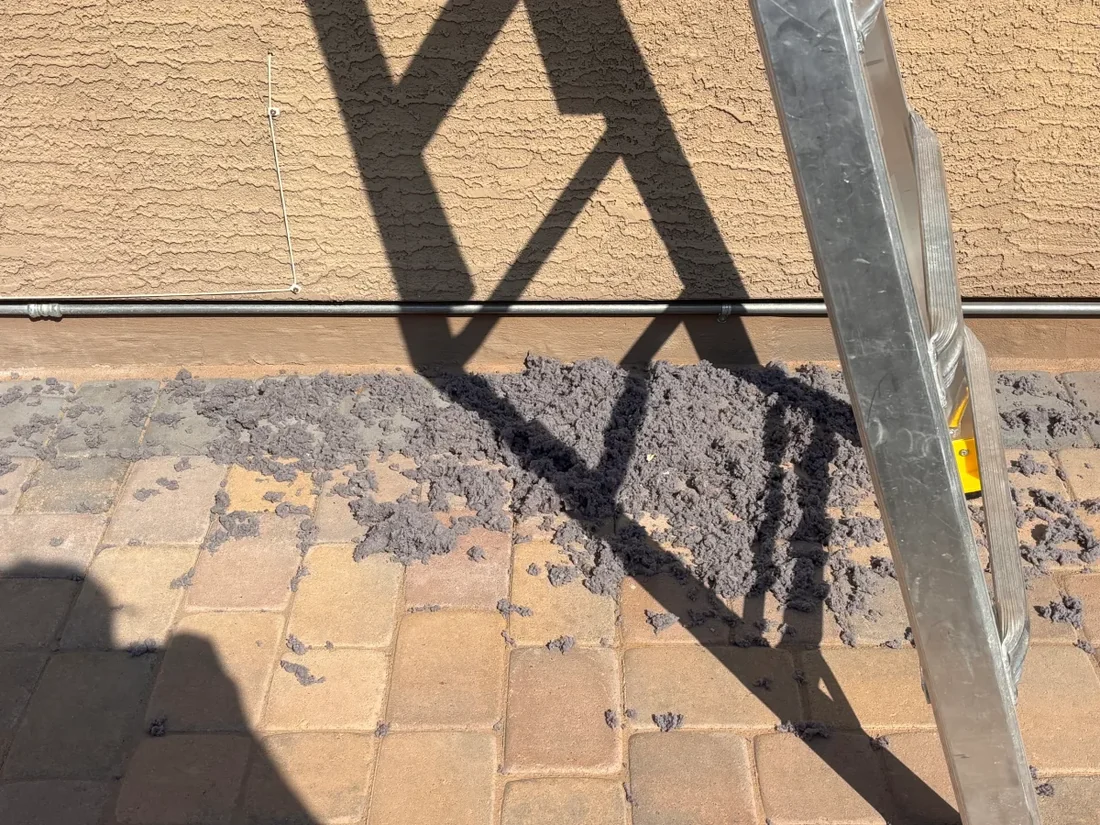
The dryer runs while we clean from outside
Worth understanding because it separates a real job from a fast one, and it is the question to ask anybody bidding against us.
Cleaning a vent from the exterior without the dryer running just agitates the lint and leaves it sitting in the duct. It looks clean at the hood. Then the resident runs a load, the loosened lint moves, and some of it blows straight out into the yard or packs somewhere worse.
With the dryer running, the airflow carries what we break loose all the way out of the duct while we are standing there, which is the entire point.
That means access to the unit, or at minimum somebody able to start the dryer. On an occupied property that takes coordination, which is why scheduling gets as much attention on this site as the cleaning does.
Where a unit genuinely cannot be entered, a reverse air ball run from the exterior end pushes the material back out rather than relying on the dryer. It is the fallback, not the default, and we will tell you which units got which.
First and second floor from the exterior, third floor and up from inside the unit, and no lifts across your landscaping. What we can reach.
The change order problem
Worth naming because it is the thing property managers get burned on.
A contractor bids one flat number. Mid-job they discover the third floor, or the units that need interior access, or that half the closets have doors that do not clear. Then they come back for more money, and you are the one explaining it to an owner.
Published rates fix that. The quote is your count times the rate card. If the real count differs, the invoice is the real count times the same rate card, and nothing gets renegotiated in the parking lot.
After the job
Every job ends with a dated record by unit number: serviced, not accessed, or flagged. What goes in the record.
Net 30 available on request. Payment terms.
Questions
How far ahead do you book?
Depends on the season. Ask when you call and you will get a real date rather than a maybe.
What do you need from us?
Unit count, floor count, and your resident notice period. That is enough to quote it.
Does anybody need to meet you on site first?
No. Access to the units has to be arranged for the day, but nobody needs to walk us around before the quote.
What if the real count is different from ours?
The rates do not change. The invoice follows the real count at the same published rates, so every line is still one you can check against the rate card.
How do we pay?
Invoice on completion, or net 30 on request.
Calls answered 7am to 8pm · same-day service usually available
Call or text your unit count, 7am to 8pm.